
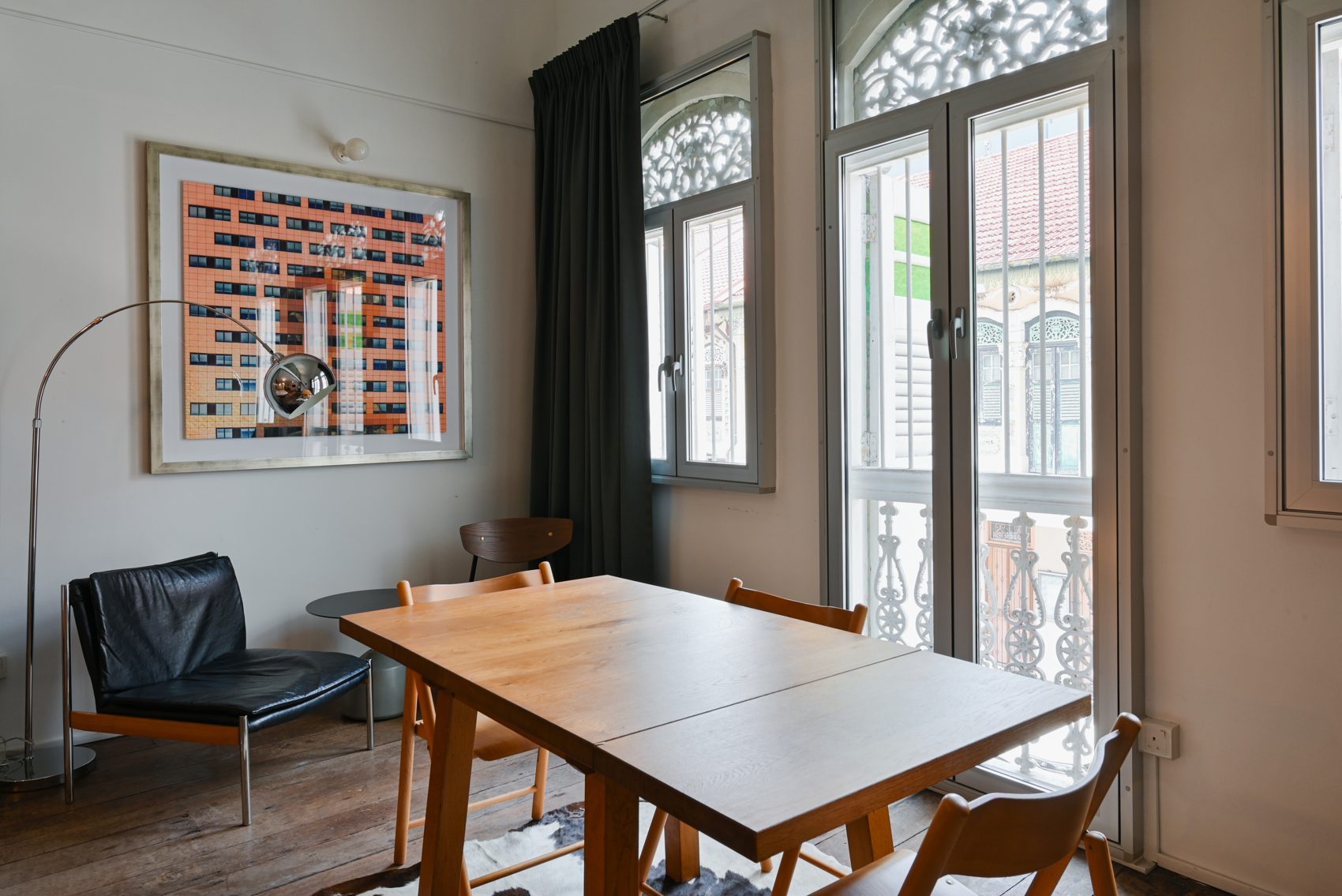
Choosing serviced offices is a decision about a working day, not just an address. A photograph can introduce the setting. A floor plan, an inclusion list and a few practical questions tell you how the space would actually work.
Start with what your team needs to do: concentrate, speak on calls, meet clients, work together or move between those activities. Then compare each office against those needs.
1. Read the actual space.
Ask for the exact office area in sqft and a plan that marks the boundary. Establish which area is exclusive to your office, and which facilities are shared with the house or other users. Do not compare a whole-house area with another offer’s exclusive office area.
Look at the shape as well as the measurement. The useful working space depends on circulation, doors, windows and the furniture arrangement. Photographs should show the space you would use, rather than another room in the same building.
Ask at the viewing
“Can you show me the office boundary on the plan, and identify the shared areas separately?”
2. Compare the actual package.
Serviced offices can package furniture, connectivity, utilities, cleaning and maintenance in different ways. The product name does not tell you which services are included. Ask for a house-specific list with included services, optional items and separately chargeable costs.
Inspect the working furniture and find out what can be changed. For internet, ask how a fault is reported and what happens while it is being resolved. For cleaning, distinguish the office from common areas and clarify the actual scope.
Mail handling, business-address use, printing, storage and use of shared rooms each deserve a clear answer if they matter to your team. Avoid treating a photograph of an amenity as evidence that it is included.
3. Walk through a normal day.
Picture arriving, starting work, taking a call, receiving a visitor and leaving. Check the entrance and the route visitors would use. Ask how private conversations are handled and where a meeting can take place.
Access hours and support hours are different questions. Being able to enter a space does not mean someone is on site to help at that time. Confirm both, along with the visitor and shared-room arrangements.
Consider the journey from the actual entrance, rather than relying on a neighbourhood label. A place described as near a station still deserves a route check that fits your own routine.
4. Understand the proposal before deciding.
Read the starting-price basis beside the included package. Ask which optional services would affect your requirements. Then clarify the minimum term, deposit, notice and the process for changes.
A useful proposal identifies the particular space and the service arrangement you are choosing. If you are comparing houses, keep the same questions in front of you so that a convenient location does not obscure a practical difference.
5. Take a useful checklist to a viewing.
- Exact exclusive office sqft, plus a plan showing shared areas.
- Photographs and furniture matching the actual working space.
- Included services, optional items and any separate charges.
- Access, support, calls, visitors and shared-room arrangements.
- Internet fault reporting and maintenance contact process.
- The actual entrance and your daily journey.
- Price basis, term, deposit, notice and change process.
For Figment Work Studios, begin with the house you are interested in and tell us what matters to your working day. You do not need to choose a house before enquiring.